
Debunking Myths About Online Therapy: What You Need to Know


Understanding Online Therapy
Online therapy has gained significant popularity in recent years, offering a convenient and accessible way to seek mental health support. However, several myths persist, potentially deterring individuals from exploring this valuable resource. In this post, we'll debunk some common misconceptions about online therapy and provide insights into its benefits.

Myth 1: Online Therapy is Less Effective
One of the most pervasive myths is that online therapy is less effective than in-person sessions. Research shows that online therapy can be just as effective for many mental health conditions, including anxiety, depression, and PTSD. The key is finding a qualified therapist and ensuring a strong therapeutic alliance.
Myth 2: Online Therapy is Impersonal
Another misconception is that online therapy lacks the personal touch of face-to-face interactions. While it's true that the experience is different, many clients find the virtual format to be more comfortable and less intimidating. Therapists are trained to create a warm and supportive environment, even through a screen.

Benefits of Online Therapy
Online therapy offers numerous advantages that are worth considering. Here are some of the most notable benefits:
- Accessibility: Online therapy provides access to mental health services regardless of geographical location.
- Convenience: Sessions can be scheduled at times that fit your lifestyle, reducing the need for travel.
- Privacy: You can attend sessions from the comfort of your own home, ensuring confidentiality and discretion.
Myth 3: Online Therapy is Only for Tech-Savvy Individuals
Many people believe that online therapy requires advanced technical skills. In reality, most platforms are designed to be user-friendly and require minimal technical know-how. Therapists often provide guidance to help clients navigate the technology, ensuring that everyone can benefit from virtual sessions.
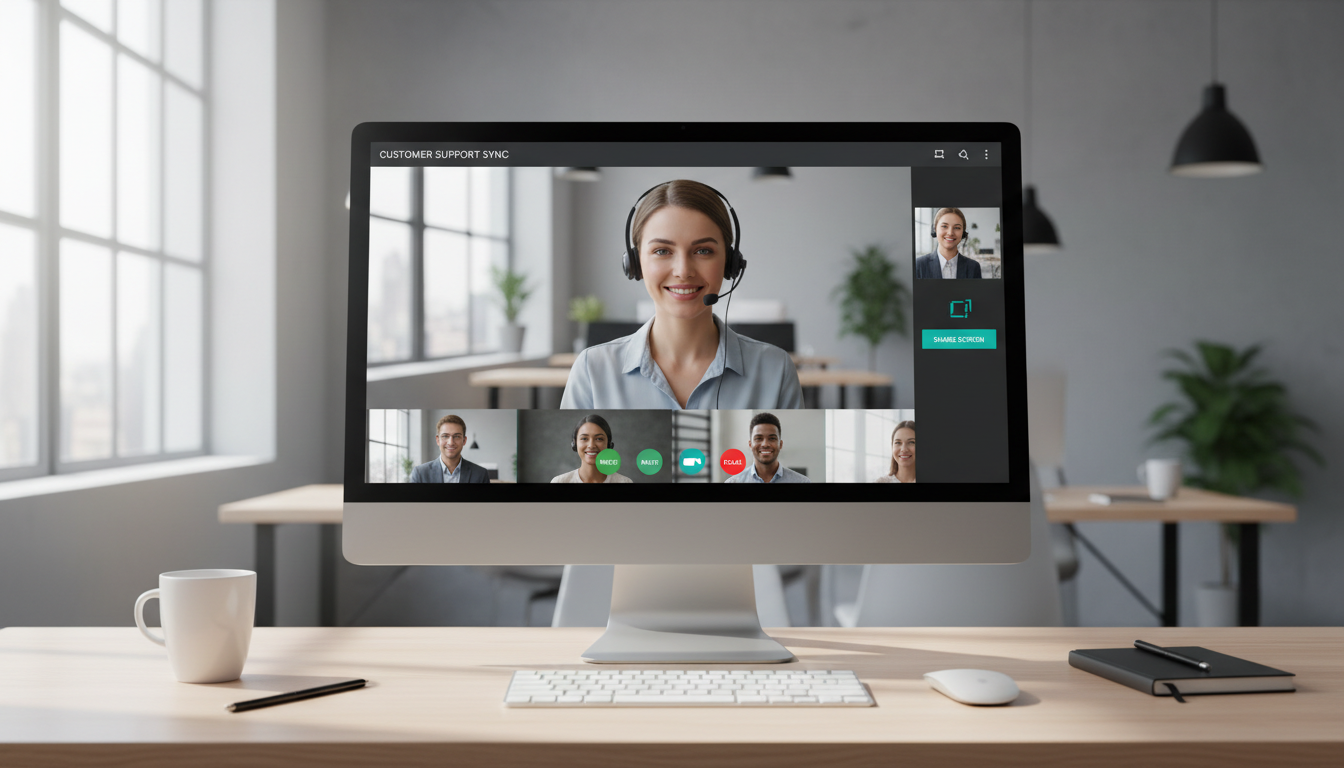
Choosing the Right Online Therapist
Finding the right therapist is crucial for a successful online therapy experience. Consider the following tips:
- Research potential therapists and their qualifications.
- Read reviews or ask for recommendations from trusted sources.
- Schedule an initial consultation to discuss your needs and expectations.
Remember, it's essential to feel comfortable and understood by your therapist, whether online or in-person.
Conclusion
Online therapy is a legitimate and effective option for many people seeking mental health support. By debunking these myths, we hope to encourage more individuals to explore this accessible form of therapy. If you're considering online therapy, take the time to research and find a therapist who meets your needs. Embrace the convenience and flexibility it offers, and take a step toward improving your mental well-being.