
Exploring the Latest Trends in Psychological Testing


Introduction to Psychological Testing
Psychological testing has long been a cornerstone in understanding human behavior and cognitive function. With advancements in technology and methodology, the field has seen significant innovations. These tests are crucial in various settings, including educational, clinical, and organizational environments.

The Rise of Digital Testing Platforms
The digital transformation has brought about a new era of psychological testing. Online platforms provide convenient access to a wide array of tests, making it easier for practitioners and individuals to engage with these tools. Not only does this increase accessibility, but it also allows for more efficient data collection and analysis.
Moreover, digital platforms often incorporate adaptive testing methods, which adjust the difficulty of questions based on the test-taker's responses. This approach offers a more personalized evaluation and can improve the accuracy of the results.
Benefits of Digital Testing
- Accessibility: Individuals can take tests from anywhere with an internet connection.
- Efficiency: Automated scoring and data analysis save time.
- Customization: Tests can be tailored to meet specific needs.
Emphasis on Cultural Sensitivity
As the global population becomes more interconnected, the importance of cultural sensitivity in psychological testing has grown. Test developers are increasingly focused on creating assessments that are culturally neutral and do not favor any particular group.

This shift not only enhances the validity of tests across different populations but also ensures that all individuals receive fair and accurate assessments. Culturally sensitive tests consider language, cultural norms, and socioeconomic factors, making them more inclusive and reliable.
Integration of Artificial Intelligence
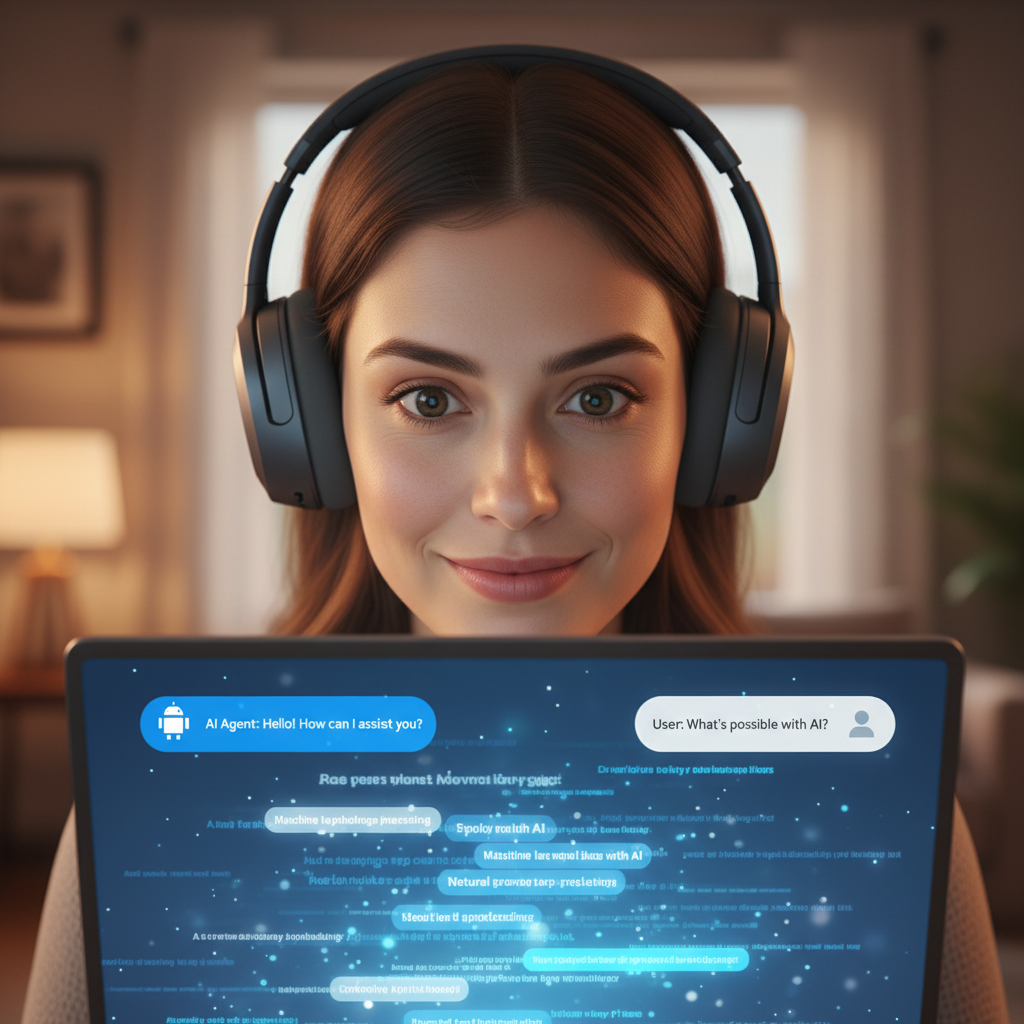
Artificial Intelligence (AI) is playing an increasingly significant role in psychological testing. AI algorithms can analyze vast amounts of data to identify patterns and predict outcomes, offering deeper insights into cognitive and behavioral patterns.
AI-driven testing tools can provide real-time feedback and adaptive learning paths, which are particularly beneficial in educational settings. This integration not only enhances the precision of assessments but also opens new avenues for personalized learning and development.
Focus on Mental Health and Well-being
With growing awareness of mental health issues, psychological testing is increasingly used to assess and monitor mental health conditions. Tools that assess anxiety, depression, and stress levels are becoming more prevalent and are crucial in early diagnosis and intervention.
Innovations in Mental Health Testing
- Wearable Technology: Devices that monitor physiological responses to stress.
- Mobile Apps: Applications that offer mental health assessments and resources on-the-go.
- Biometric Analysis: Using biometric data to gain insights into mental health status.
By integrating these innovations, psychological testing can contribute significantly to promoting well-being and enhancing quality of life.
Conclusion
The field of psychological testing is rapidly evolving, driven by technological advancements and a deeper understanding of human behavior. As these trends continue to develop, psychological assessments will become even more integral to various aspects of life, from education to mental health care. Embracing these changes will ensure that psychological testing remains a vital tool in understanding and improving human experiences.